
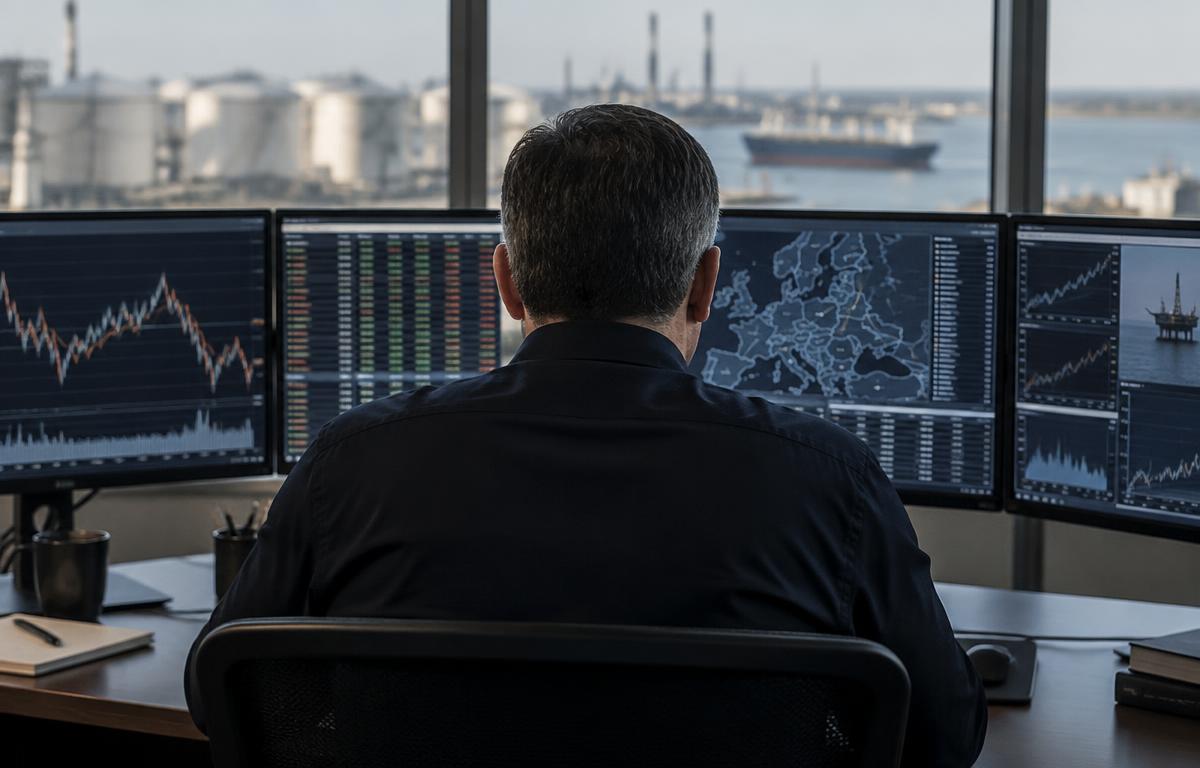
Some conversations change how you drive home. The interview I did last week with an energy trader — 14 years buying natural gas and power for utilities — was one of them. He insisted on staying anonymous. What he told me affects every household in America. Here's the transcript, and the one thing I ordered for my own family afterwards.
The Setup: We've Never Gone Into a Winter This Exposed
Storage levels are at historic lows going into the season. Utilities across the country are already announcing rate hikes around 20%. Electricity follows — it always does.
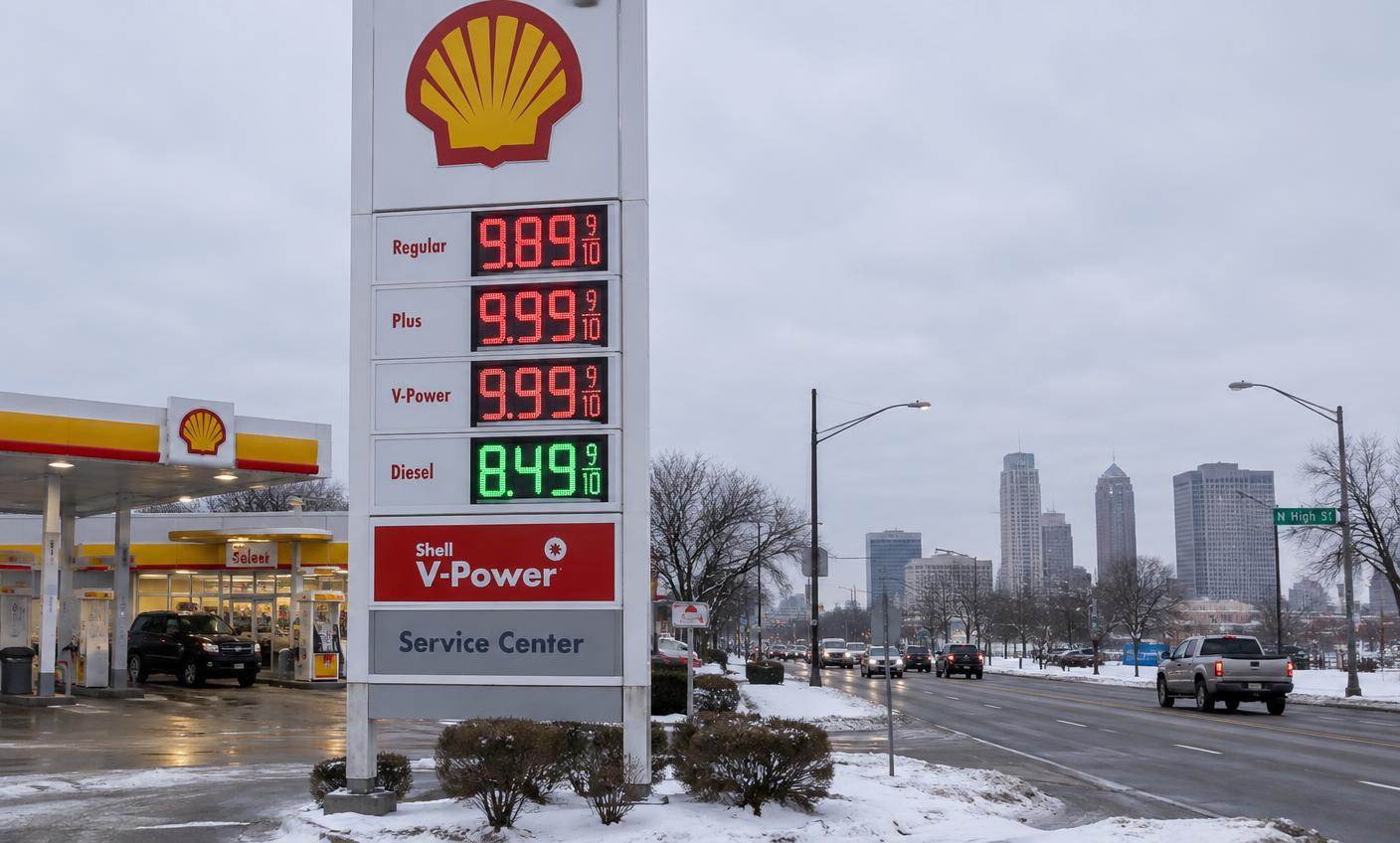
And at the pump: “The first stations have blown past levels nobody thought possible — a gallon of diesel is closing in on $10 in some metros, and traders are privately modeling scenarios that go higher.”
The Interview
How serious is it?
“More serious than anyone's saying publicly. Storage numbers like this used to trigger emergency meetings. Now they're the starting point.”
What does that mean for a normal family?
“Plan for the most expensive winter you've ever paid for. Heat up around 20 percent, power follows, and if you commute, you're paying twice.”
What should politicians have done?
“Fill storage early, cap grid fees, cut the taxes stacked on every gallon and every kilowatt-hour. Instead they debated. Doing nothing before a winter like this is the worst thing you can do.”
Will next year be better?
“That's the myth I hear most. No. Refilling storage cheaply won't happen, the fees rise on schedule, and the market sets the price. Energy staying expensive is the structure now, not the exception. Waiting for prices to come back down means waiting for something that isn't coming.”
What do people in your industry do at home?
“Sounds almost too simple, but: we stopped heating the house and started heating the body. My thermostat sits at 66. The rest is heated clothing. It's the one lever you control one hundred percent yourself.”
The Double Squeeze: The Pump AND the Furnace
What makes this crisis different: it hits on two fronts at once. Commute 25 miles a day and prices like these add $80–120 a month — just for gas. The same family finds the utility's rate-hike letter in the mailbox the same week. Two bills climbing at the same time, while the paycheck stays the same.
And it doesn't stop at your tank: diesel is what moves groceries. Every truck delivering food to your supermarket fuels up at these prices — and freight companies pass it on. Today's pump prices are next month's grocery prices. If you think this only concerns drivers, think again.
Who Gets Hit Hardest
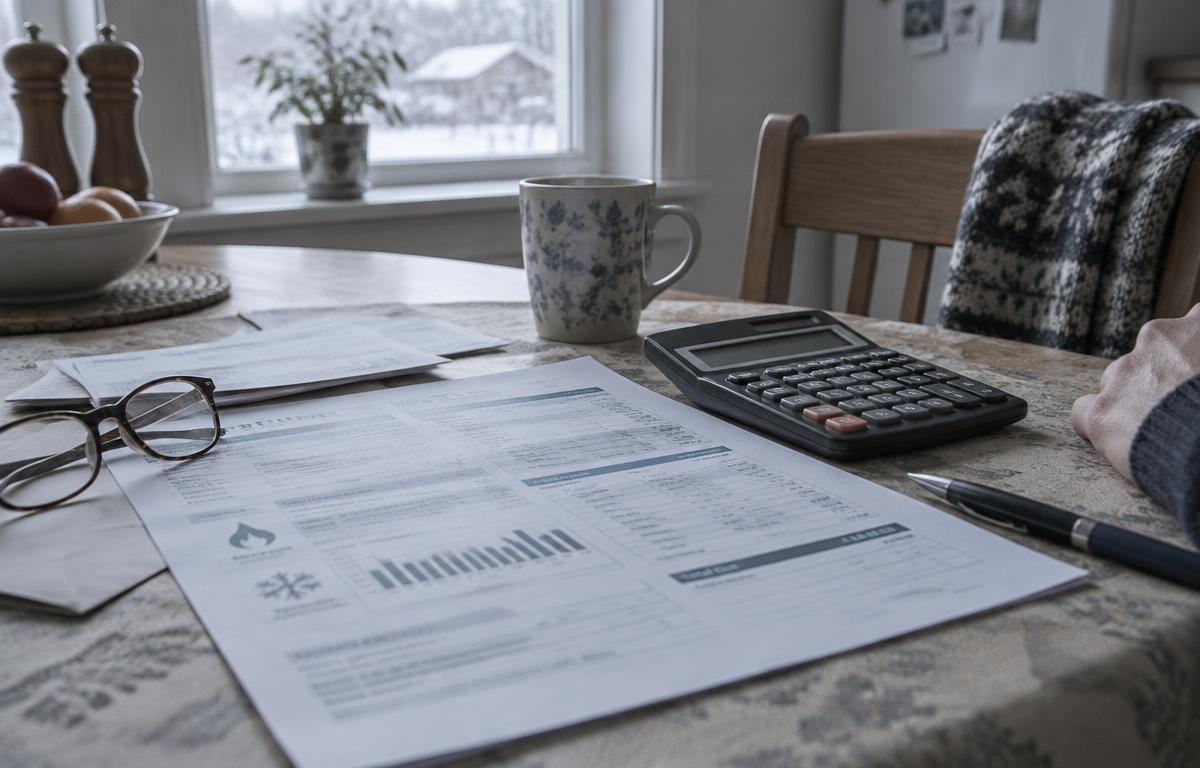
It's not the houses with heat pumps and solar roofs. It's the drafty 1,400-square-foot homes with single-pane windows. The retiree whose monthly bill jumps from $180 to $240. The family debating at night whether the kids' room really needs 72 degrees. The households that could barely absorb the last round of hikes are exactly the ones this round hits with full force.
A sample calculation our source walks through: an average household heating with gas pays several hundred dollars more at a 20 percent increase — per heating season, not per year. “For a lot of people that's half a paycheck,” he says. “And here's the cruel part: you can't just stop heating. You can only heat smarter.”
Why Waiting for Relief Is the Worst Strategy
Hoping “the government will step in” has reliably been the most expensive strategy of the past years. Relief programs come late, are complicated — and never cover the full increase. Meanwhile the fees stacked on every kilowatt-hour rise on schedule, every year.
In plain English: this winter is not the outlier. It's the new normal — and probably one of the cheaper ones of the coming years. Whoever doesn't build their own strategy now is blind-signing every future increase. The only lever nobody in Washington or on a trading floor controls is your own consumption.
The Math: Why Heating Your Body Beats Heating Your House
Every degree you lower the thermostat saves roughly 3% on heating (the utility rule of thumb: about 1% per degree per 8 hours) — drop from 72°F to 66°F and you're looking at real triple-digit savings over a season. Against that: a heated vest runs off a standard USB power bank — eight hours of warmth costs pennies of electricity.
Season analyses show households that switch to targeted body heat instead of whole-home heat save hundreds of dollars per winter — with zero comfort loss. The vest pays for itself in weeks; the rest of the season is savings.
What I Ordered After the Interview
I tested a vest with the ThermoCore™ 9-zone system for two weeks. The switch-on moment is the sell: heat spreads across your back like a hot shower within 30 seconds.
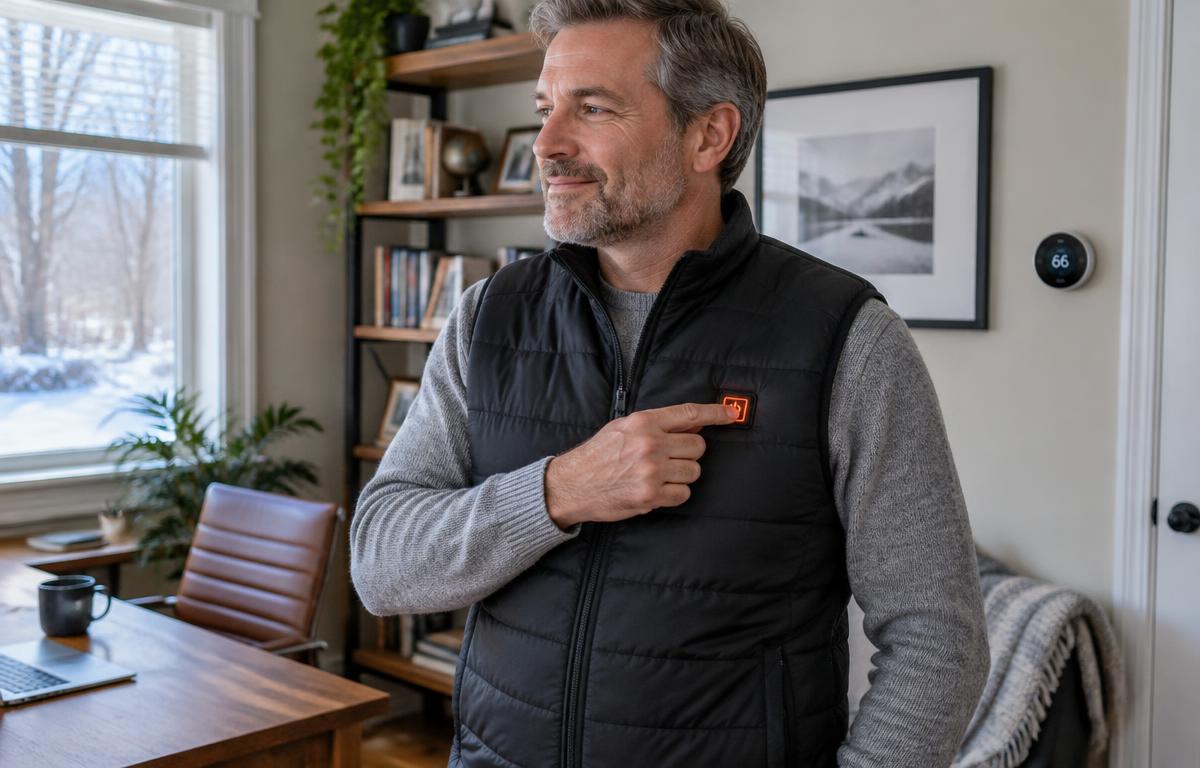
Nine zones cover the neck, upper and lower back, shoulder blades, chest and sides. There are three heat levels, and the front and back can be controlled separately. Under a jacket, it disappears. At my home-office desk with the thermostat at 66°F, I stopped thinking about the cold.
- ✓9 heating zones for neck, back, chest and sides
- ✓zones controlled separately via dual switch
- ✓ultralight — barely noticeable under a jacket
- ✓machine-washable (unplug electronics first)
- ✓works with any standard USB power bank
Order one to two sizes up. The vest runs small and is meant to fit OVER a sweater — this is by far the most common mistake.
For the rest: heated socks work on the couch, heated gloves on the commute — a full body-heat setup for less than a single monthly rate hike.
Readers Who Made the Switch
“Thermostat down 6 degrees, vest on — my December bill was lower for the first time in years.”
“I commute 30 miles a day. Can't do anything about the pump — but I can do something about the furnace.”
“Garage workshop, 43 degrees, used to wear three hoodies. Now: vest, level red, done.”
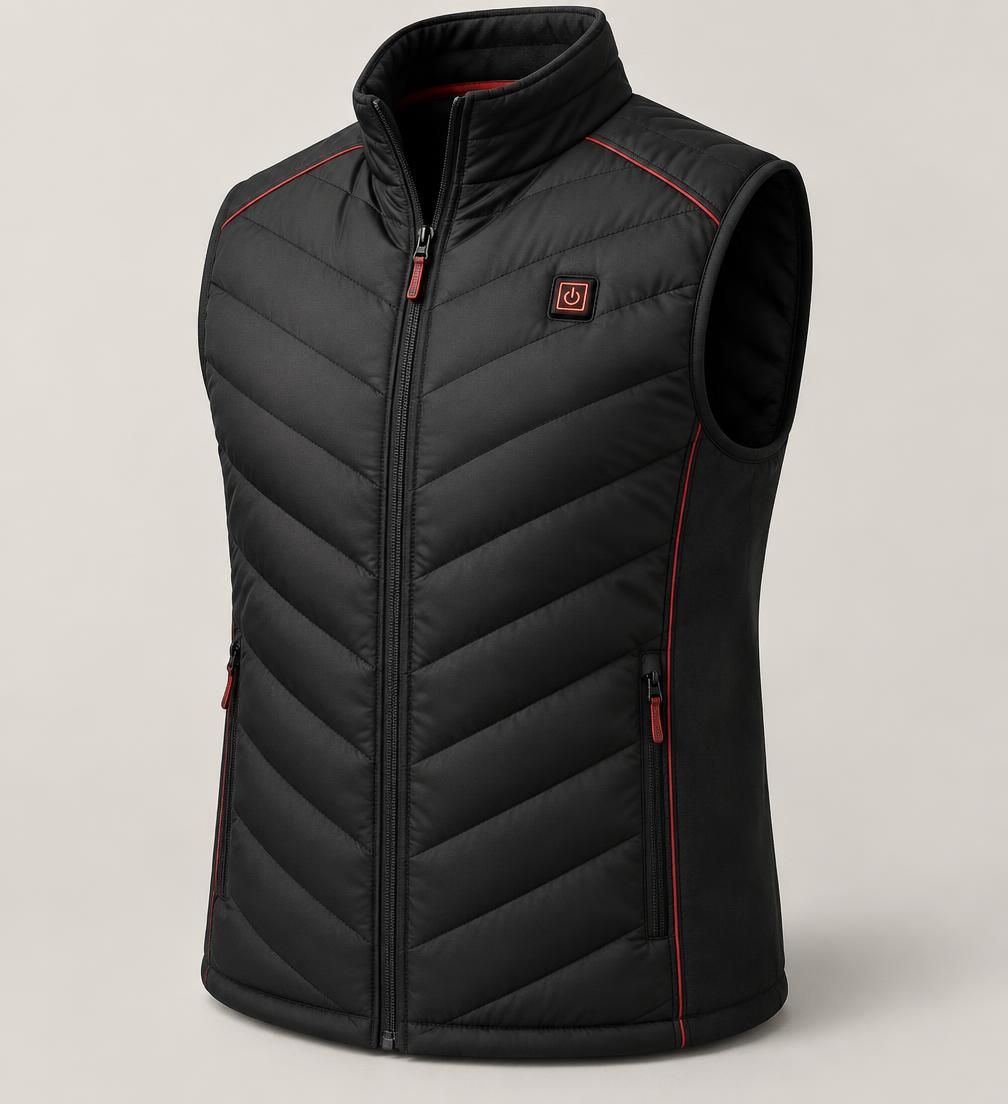
Finally warm through winter — without a heating bill that hurts
➜ CLAIM 30% OFF NOW!By feature
34 Comments
Janet Morris
We dropped our thermostat to 67 last winter and the difference showed up immediately. The sizing note is important.
Like · Reply · 46 likes · 2h
Robert Hayes
The point about diesel moving groceries is the part people miss. It never stays at the pump.
Like · Reply · 31 likes · 4h
Carol Bennett
My sewing room is always the coldest room in the house. Targeted heat makes much more sense than heating every empty room.
Like · Reply · 18 likes · 6h